As temperatures drop, heating bills often rise and for many homeowners, winter can bring sticker shock when the utility bill arrives. Staying warm doesn’t have to mean cranking the thermostat and paying more than necessary. With a few smart strategies and proactive maintenance, you can keep your home comfortable all winter long without sending your heating costs through the roof.
Here’s how to stay warm while keeping your energy bills under control.
Start With Your Thermostat Settings
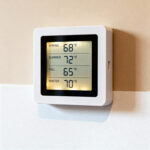
One of the simplest ways to reduce heating costs is to adjust your thermostat strategically. Lowering the temperature just a few degrees when you’re sleeping or away from home can make a noticeable difference over the course of the winter.
Many homeowners find that setting the thermostat lower at night and bundling up with warm blankets provides comfort without excessive energy use. If you don’t already have one, a programmable or smart thermostat can automatically manage temperature changes throughout the day, helping prevent unnecessary heating.
Seal Drafts and Air Leaks
Even the most efficient heating system can’t keep up if warm air is escaping your home. Drafts around windows, doors, and other openings allow heat to leak out and cold air to seep in, forcing your furnace to work harder.
Check for drafts around doors, windows, attic access points, and basement areas. Weatherstripping, caulking, and door sweeps are affordable solutions that can significantly improve heat retention. Sealing air leaks is one of the most cost-effective ways to improve winter comfort.
Keep Your Heating System Maintained
A well-maintained heating system runs more efficiently and uses less energy. If your furnace hasn’t been serviced recently, it may be working harder than necessary to heat your home.
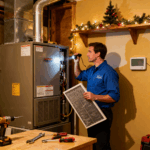
Regular maintenance helps ensure proper airflow, clean components, and safe operation. Simple steps like replacing air filters regularly can improve efficiency and prevent strain on your system. Dirty filters restrict airflow, causing your furnace to run longer and consume more energy.
Scheduling professional furnace maintenance before or during winter can help identify small issues before they turn into expensive repairs.
Use Heat Wisely Throughout Your Home
Closing doors to unused rooms can help focus heat where it’s needed most. However, be careful not to block air vents or restrict airflow, as this can cause pressure issues within your HVAC system.
During the day, open curtains or blinds on south-facing windows to let in natural sunlight. At night, close them to help retain warmth. Heavy curtains or thermal window coverings can add an extra layer of insulation.
Using ceiling fans on a low, clockwise setting can also help circulate warm air that naturally rises, pushing it back down into living spaces.
Improve Insulation Where It Counts
Insulation plays a major role in keeping your home warm and energy efficient. Poor insulation allows heat to escape quickly, leading to higher heating costs.
Attics, basements, and crawl spaces are common areas where heat loss occurs. Improving insulation in these areas can significantly reduce heat loss and improve comfort throughout your home. While insulation upgrades can be an investment, they often pay for themselves through long-term energy savings.
Monitor Humidity Levels
Dry air can make your home feel colder than it actually is. Maintaining proper indoor humidity helps warm air feel more comfortable, allowing you to keep the thermostat lower without sacrificing comfort.
A whole-home humidifier or portable units can help balance humidity levels during winter. Proper humidity can also reduce static, improve indoor air quality, and help protect wood furniture and flooring.
Know When to Upgrade Your Heating System
If your furnace is older or frequently needs repairs, it may be operating inefficiently. Older systems often use more energy to produce the same amount of heat as newer, high-efficiency models.
While replacing a furnace is a significant decision, upgrading to a more efficient system can lower monthly heating costs and improve reliability. A professional HVAC technician can help evaluate whether repair or replacement makes more sense for your home.
Don’t Ignore Warning Signs
Unusual noises, uneven heating, rising energy bills, or frequent cycling can all indicate that your heating system isn’t operating efficiently. Addressing these issues early can help prevent higher energy use and costly breakdowns during the coldest months of the year.
Keeping your home warm during winter doesn’t have to mean accepting sky-high heating bills. By sealing drafts, maintaining your heating system, managing thermostat settings, and improving insulation, you can enjoy a comfortable home while keeping energy costs under control.
If you’re struggling with high heating bills or uneven warmth, a professional HVAC inspection can help identify opportunities for improvement. A few proactive steps now can make your home warmer, more efficient, and more affordable all winter long.