A garage heater is a game-changer during the colder months, keeping your workspace warm and comfortable. However, even the most powerful heater won’t perform efficiently if it’s not placed correctly. Proper placement ensures that heat is distributed evenly, energy is used efficiently, and your garage remains a safe environment. Here are essential tips to help you place your garage heater for maximum efficiency.
1. Understand Your Garage Layout
Before installing a garage heater, take a close look at your garage layout. Consider the size of the space, the location of doors and windows, and where you spend the most time. A larger garage may require a more powerful heater or even multiple units to ensure heat reaches every corner. Identify workstations, vehicles, or hobby areas that need the most warmth, and plan your heater placement accordingly.
2. Mount the Heater on the Wall or Ceiling
Many garage heaters are designed to be wall- or ceiling-mounted. Mounting the heater high allows warm air to circulate more effectively, as heat naturally rises. Ceiling-mounted units work particularly well for large garages because they can distribute warmth evenly throughout the space. Ensure the heater is securely mounted and positioned away from flammable materials like boxes, chemicals, or wood.
3. Keep Clearance Around the Heater
Safety and efficiency go hand in hand. Most heaters require a specific amount of clearance around the unit to operate safely and efficiently. Check the manufacturer’s guidelines for recommended distances from walls, ceilings, and objects. Keeping adequate clearance prevents overheating, reduces fire risk, and allows airflow to circulate freely, which improves the heater’s performance.
4. Consider Airflow and Ventilation
Proper airflow is crucial for heating efficiency. Avoid placing your heater in a corner or behind large objects that could block the flow of warm air. Ideally, the heater should be positioned where it can push warm air across the room unobstructed. If your garage has high ceilings, consider using a ceiling fan on low to help circulate warm air and eliminate cold spots.
5. Account for Garage Doors
Garage doors are one of the biggest sources of heat loss. If your heater is positioned too close to a garage door, much of the warm air may escape whenever the door is opened. Place your heater away from doors and direct the airflow toward the areas where warmth is needed most. Weatherstripping around garage doors can also help retain heat and improve overall efficiency.
6. Target Work Areas
If you use your garage as a workshop, gym, or hobby space, focus the heater on the areas where you spend the most time. Portable heaters offer flexibility and can be moved as needed, while fixed units should be strategically placed to cover key zones. Consider how you arrange your tools, workbenches, or equipment to ensure that heat reaches these critical areas.
7. Regular Maintenance for Optimal Performance
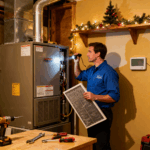
Even the best-placed heater can lose efficiency if it’s not properly maintained. Keep vents clean, check for dust buildup, and ensure fans are functioning correctly. Regular maintenance ensures that warm air circulates effectively and that your heater operates safely, extending its lifespan and maintaining energy efficiency.
Proper placement of your garage heater can make a dramatic difference in comfort, safety, and energy efficiency. By assessing your garage layout, mounting the heater correctly, maintaining clear airflow, and targeting work areas, you can ensure that every corner of your garage stays warm during the cold months.
Investing time in thoughtful placement and maintenance not only maximizes efficiency but also helps you save on energy costs and enjoy a more comfortable, usable garage space year-round. Take the time to plan your heater installation carefully, and you’ll reap the benefits of a cozy, well-heated garage for years to come.